Overview
About Eldfell
From a fissure to a cone
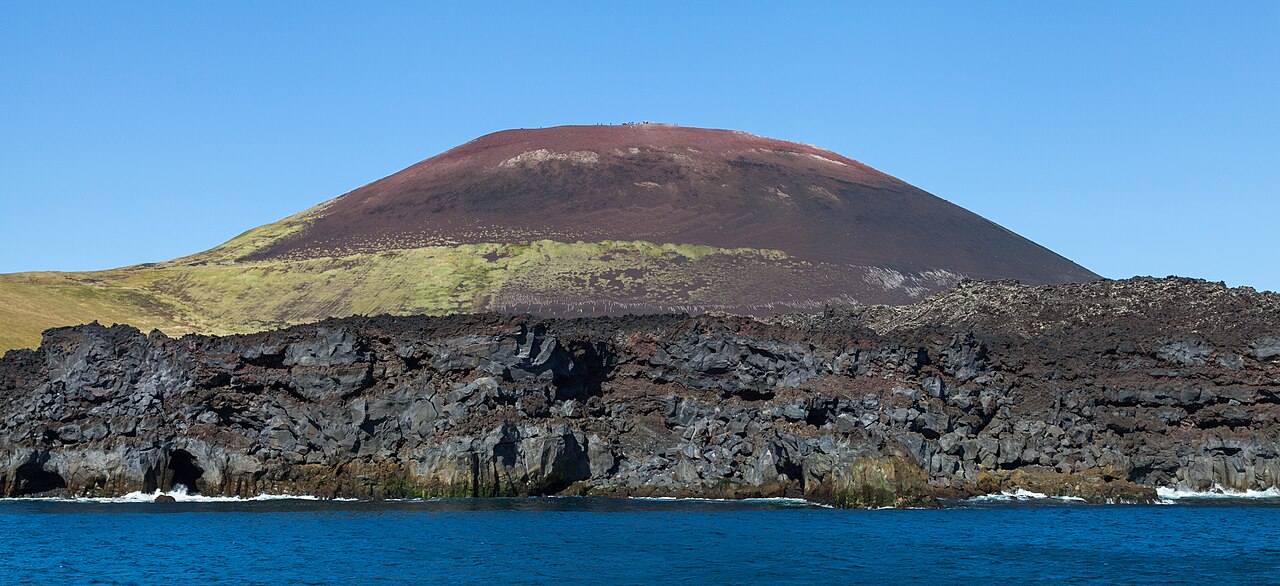
The eruption began on 23 January along a fissure on the eastern side of Heimaey. Activity concentrated into fewer vents, building Eldfell from erupted fragments while lava spread across land and into the sea. The main cone had taken shape within the first weeks. The eruption continued for about five months and added more than two square kilometres to the island. Eldfell is therefore a particular product of the wider Vestmannaeyjar volcanic system, rather than the name of the entire island or archipelago.
Cooling the lava
Crews pumped seawater onto the advancing lava and used earthmoving equipment to build barriers. Water cooling helped solidify parts of the flow into resistant margins and altered its movement locally. The harbour remained usable, although the overall contribution of cooling to its survival is debated. US Geological Survey accounts document how the operation combined practical experimentation with observations of lava movement, cooling and the formation of crust.
Article reviewed .