Packing & preparation
An Iceland hiking packing list that starts with your trip
Pack for a multi-day Iceland hike with a checklist for walking essentials, weather layers, hut evenings and supported luggage arrangements.
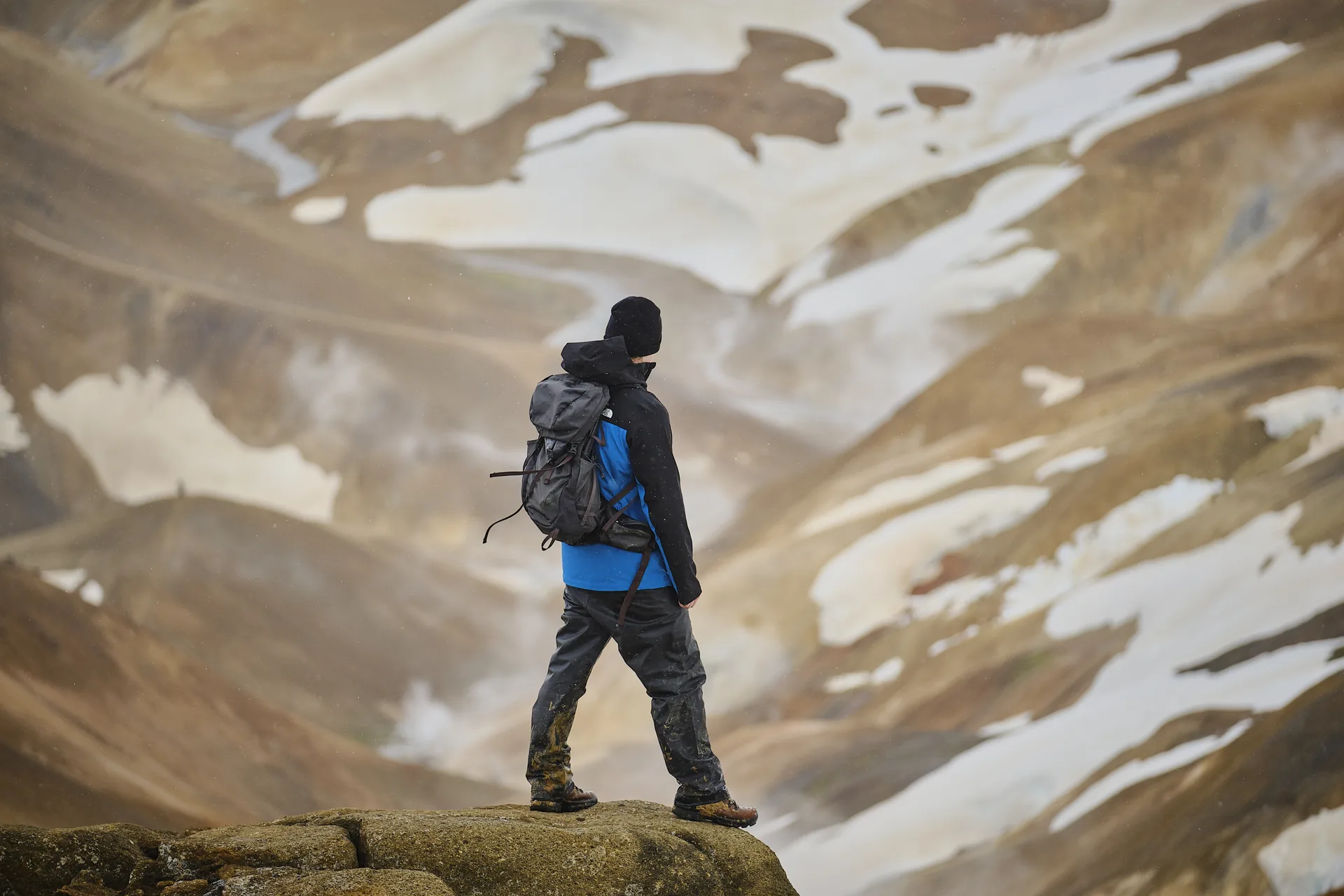
 Photo from Norse Adventures
A daypack on a supported trek, a bag for independent hut stays and a camping load solve different problems. Before buying equipment, establish what the trip provides and what must stay with you during the walk. A useful list begins with those answers.
Split your list into walking essentials, overnight equipment and confirmed supplied items. Keep the day’s clothing, food, water and personal essentials with you even when main luggage is transferred. Use your operator’s route-specific list as the final check.
- First decision
- Supported or independent?
- Walking pack
- Works without the main bag
- Before departure
- Test the complete load
Your working checklist
Use this as a starting point for summer, non-technical walking. It is not a complete equipment specification for every Iceland route. Independent camping, winter travel and technical terrain require additional preparation.
Tick an item when you have packed it or confirmed that it is supplied. For supplied items, establish whether they are available during the walk or only overnight. That distinction is easy to miss until the bag is on the vehicle.
Make your layers work together
Try the full combination before travelling: base layer, insulation and shell. Can you move and close the jacket comfortably? Clothing that works separately may not work together when you add everything at a rest stop.
SafeTravel’s clothing guidance is a useful starting point. Choose equipment for the activity and expected conditions, then practise reaching it. Waterproof trousers buried in a tightly packed bag are less convenient than the same trousers where you can get them quickly.
Test the actual load
Walk with filled bottles, food and the equipment you will carry. Adjust the bag, climb a hill, and check access to essentials. Comfort with an empty pack tells you much less than an afternoon outside with the finished load.
If luggage is transferred, agree the permitted bag type and size. Keep your walking pack separate while packing at home so essentials cannot disappear into the overnight bag. Choose capacity around the contents and fit rather than a litre figure borrowed from another person’s trip.
- Protect dry clothing inside the bag.
- Keep medication and frequently used layers accessible.
- Separate walking supplies from evening belongings.
- Recheck after adding food and water.
Make the overnight kit deliberate
Confirm sleeping equipment and facilities for each night. Do not duplicate something your provider supplies, or leave an essential behind because another traveller had it included. Check your own booking.
Organise bedtime items in one small bag. Optional earplugs, an eye mask or an indoor layer may matter more to you than another change of clothes. Leave enough room to pack efficiently again the next morning.
Finish with questions, not another purchase
Ask about river footwear, refill points, navigation, communication, charging and dietary requirements. Answers depend on route and support. An equipment list should make those questions visible rather than pretend one purchase settles them.
Review the list beside your trip documents before departure. Make one column for what you carry and another for what is supplied. This is a more useful final check than comparing your bag with a stranger’s packing photograph.
Common questions
Does supported mean I carry nothing?
No. You need a walking pack with the day’s essentials. Ask what support carries and when you next access the main bag.
Do I need camping gear for a hut trek?
Not automatically. Confirm accommodation and sleeping arrangements, then follow your specific route’s requirements.