Hut life
Hut-to-hut hiking in Iceland: the days between the huts
Plan a hut-to-hut hiking trip in Iceland: shared sleeping spaces, food, luggage, reservations and the questions to ask before choosing your trek.
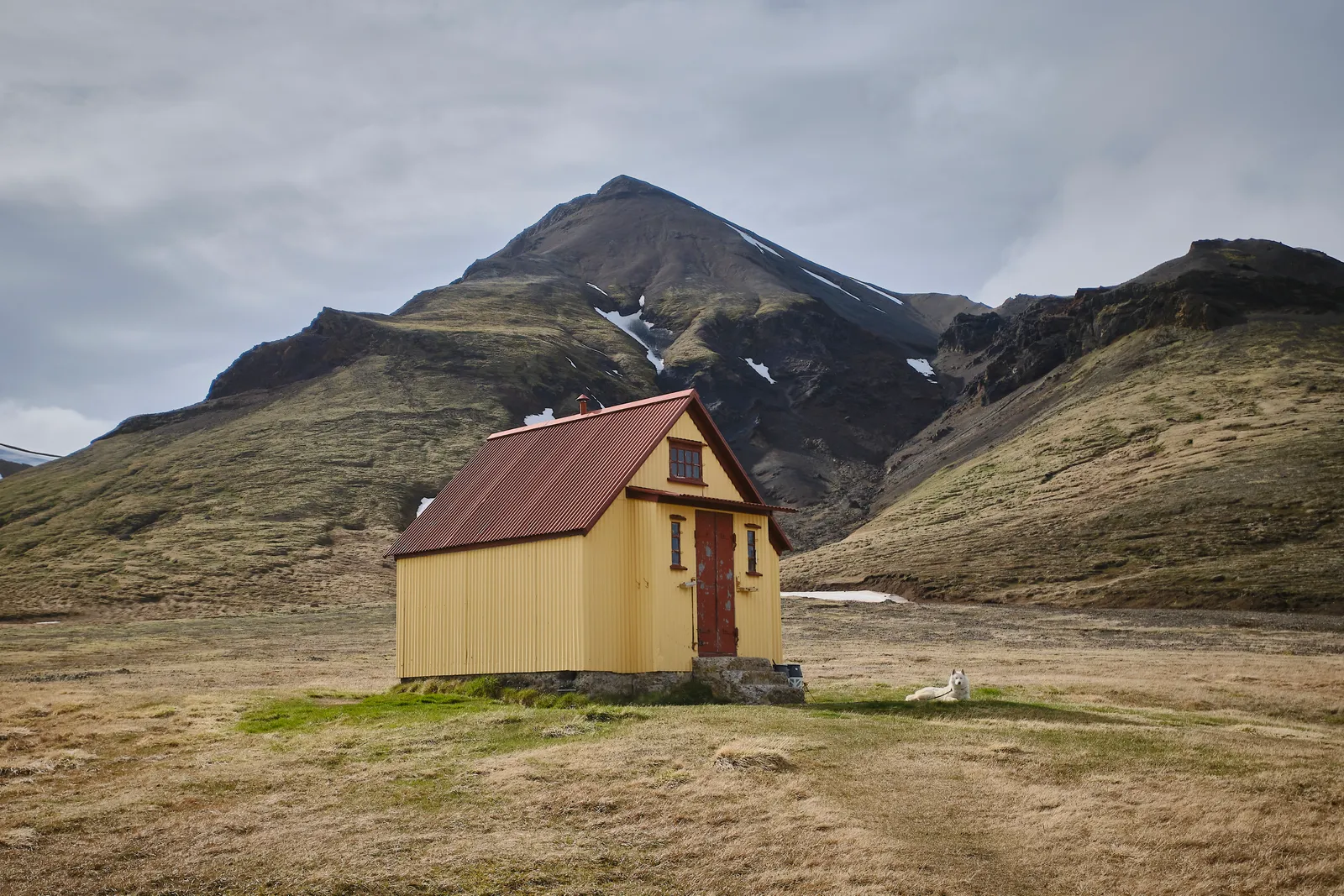
 Photo from Norse Adventures
The moment you put down your walking bag is part of the journey. A place to dry a layer, something warm to eat, and tomorrow’s route discussed around a table: hut-to-hut travel gives a hiking holiday its own rhythm. Knowing what the overnight stops provide makes that rhythm easier to enjoy.
A hut booking is accommodation, not automatically a guided or catered trek. Confirm sleeping arrangements, meals, bedding, washing facilities and luggage transport separately. Start with the route and the nights you can reserve, then organise the travel around them.
- Sleeping
- Usually shared spaces
- Food and bags
- Confirm separately
- Planning
- Book the complete sequence
A hut is part shelter, part shared household
FÍ’s huts generally provide communal accommodation, with facilities varying by location. Its rules require guests to bring a sleeping bag; a tour operator may supply one as part of a package. Do not assume a reservation includes linen or a private room.
On arrival, find your sleeping place, ask where wet equipment belongs, and learn how the kitchen and toilets work. Small courtesies matter when everyone arrives hungry and tired. Keep the things you need first accessible without spreading your entire bag across the room.
Plan an evening, not a hotel stay
Imagine the sequence after a walk: changing, sorting tomorrow’s supplies, eating and getting ready to sleep. If meals are supplied, discuss dietary requirements before travel. If you cook independently, plan what you can prepare within shared kitchen space.
Check washing facilities hut by hut. Knowing what is available on your exact nights is more useful than a general description of comfortable huts. Bring a deliberate set of evening essentials rather than packing for services that have not been confirmed.
Choose what you want to organise yourself
Think of the trip as several arrangements: a sleeping place, food, route planning, transport and a guide. You might organise everything independently, buy parts separately, or choose one supported departure. Ask for a written breakdown when comparing options.
A transferred main bag can simplify the walking load, but it will not be beside you all day. Make your daypack work on its own. For a guided trip, find out how the operator handles group pace, rest stops and changes to the planned walk.
- Independent: confirm every night and both ends of the journey.
- Guided: ask about the guide’s role and group arrangements.
- Supported: establish exactly what the vehicle carries.
- Catered: confirm meals, drinks and dietary needs.
Build the journey around confirmed nights
Advance reservations matter on popular FÍ hut routes. A gap in the middle of an itinerary changes the next walking day’s destination. Confirm the whole sequence before treating the route as settled.
Then work outward: match the arrival transfer to your first walk, the return departure to the last stage, and your city accommodation to both. Save confirmations offline. If sharing rooms would overshadow your enjoyment, consider day hikes from a fixed base instead. Choose the version of the holiday you will enjoy, not simply tolerate.
Common questions
Do hut stays include food?
Not necessarily. Confirm whether you reserved accommodation only or a catered trip, and which cooking facilities you may use.
Do I need a sleeping bag?
Independent FÍ hut guests normally bring one. A supported operator may supply or transport it; confirm your specific trip’s arrangements.