
Overview
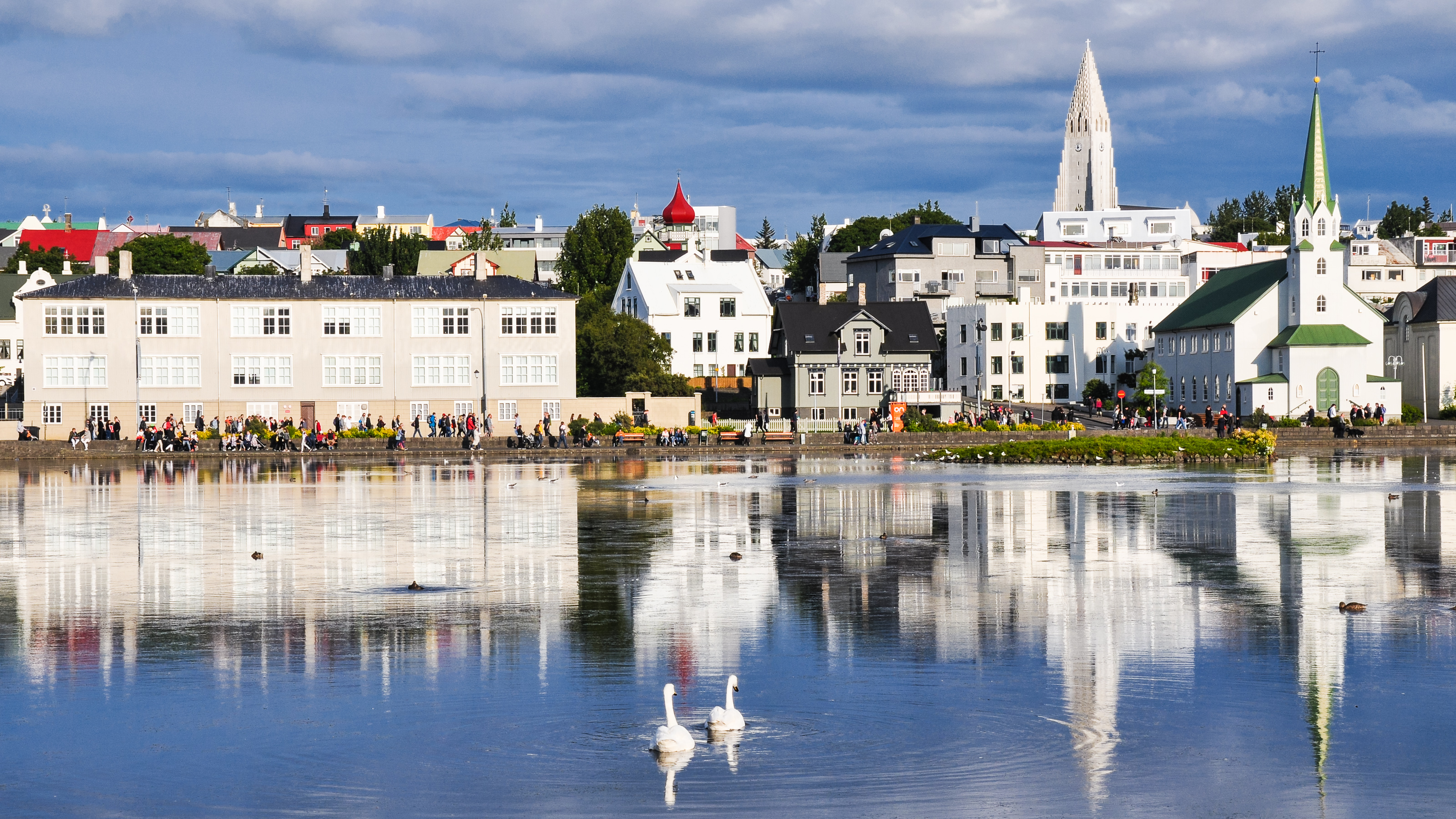
About Reykjavik
From farms to a town
Before the eighteenth century, farms occupied much of the area covered by the modern city. A decisive change came with Innréttingarnar, an industrial initiative that established wool production in Reykjavík. Sixteen houses were built for the enterprise, helping create a recognisable village. Reykjavík received town privileges in 1786, when the Danish trading monopoly ended. It was one of six Icelandic trading places granted this status by royal decree.
Buildings that record political change
Two surviving institutions reveal the settlement's changing role. The substantial stone building on Lækjargata was constructed between 1761 and 1771 as Iceland's first prison; it later became the Government Office. Reykjavík Cathedral was consecrated in 1796 as the town's administrative importance grew. These buildings connect today's capital with the period when government functions, commerce and manufacturing began concentrating in a place previously dominated by farming.
Article reviewed .
