Overview
About Hangikjöt
Smoking and regional practice
Smoking extended the keeping qualities of meat and fish before modern refrigeration. Methods and ingredients vary between producers. In Mývatnssveit, the farm producer Reykkofinn describes a continuing local tradition of smoking with carefully dried sheep dung, or tað, prepared as fuel. Its range includes different ages of sheep and several cuts, including legs and shoulders. This regional example shows why hangikjöt is best understood as a family of preserved meat products rather than one completely uniform recipe.
The Christmas table
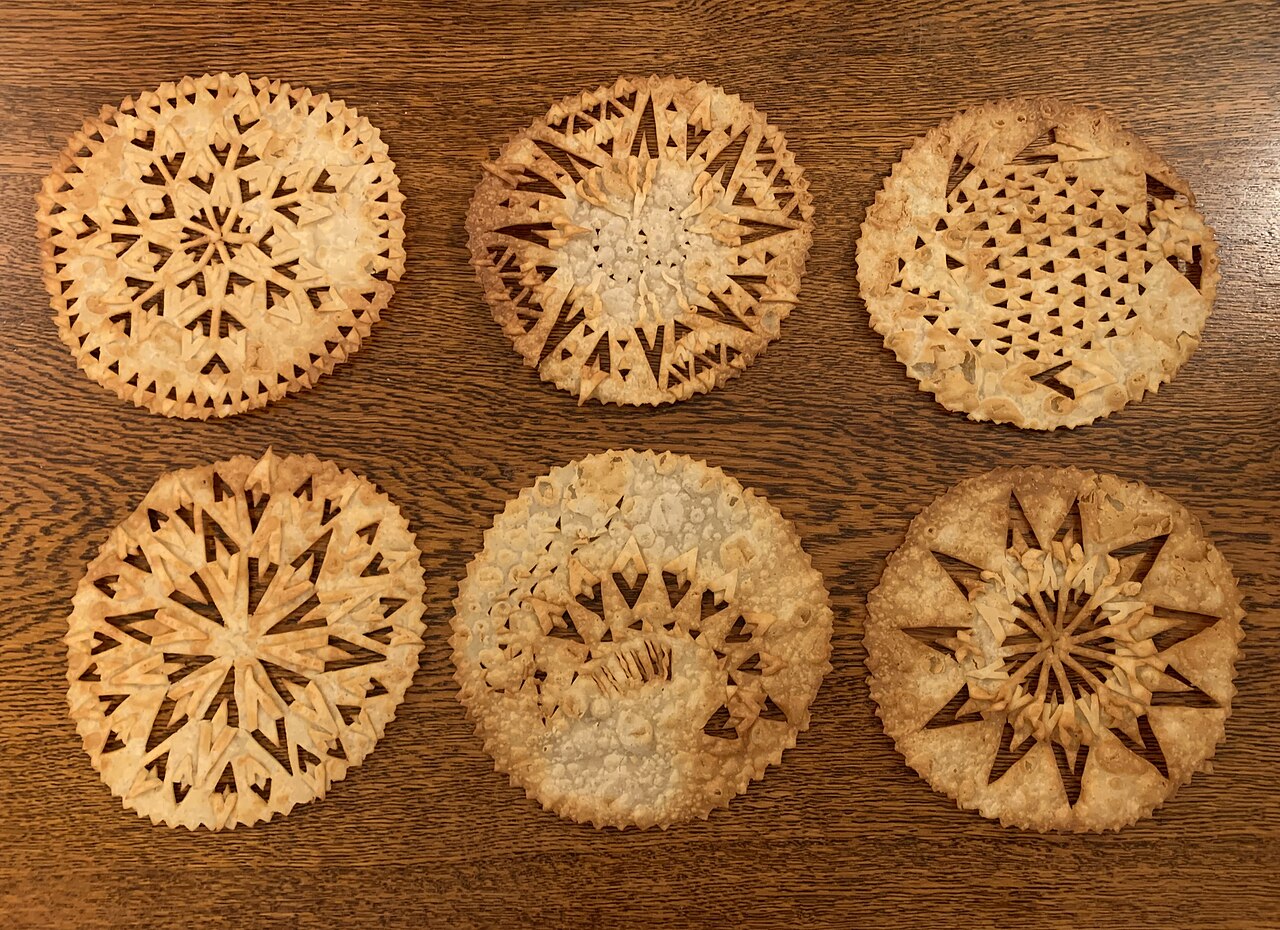
Historically, households able to afford a freshly slaughtered sheep could reserve one for Christmas, while others relied on smoked food kept from autumn. Hangikjöt gained an enduring place in holiday celebrations, especially on Christmas Day. It is commonly boiled and served cold, though warm service is also traditional. Familiar accompaniments include potatoes in a white sauce called uppstúfur, green peas and sometimes laufabrauð or red cabbage. The meal brings an older preservation practice into the setting of a family celebration.
Article reviewed .